
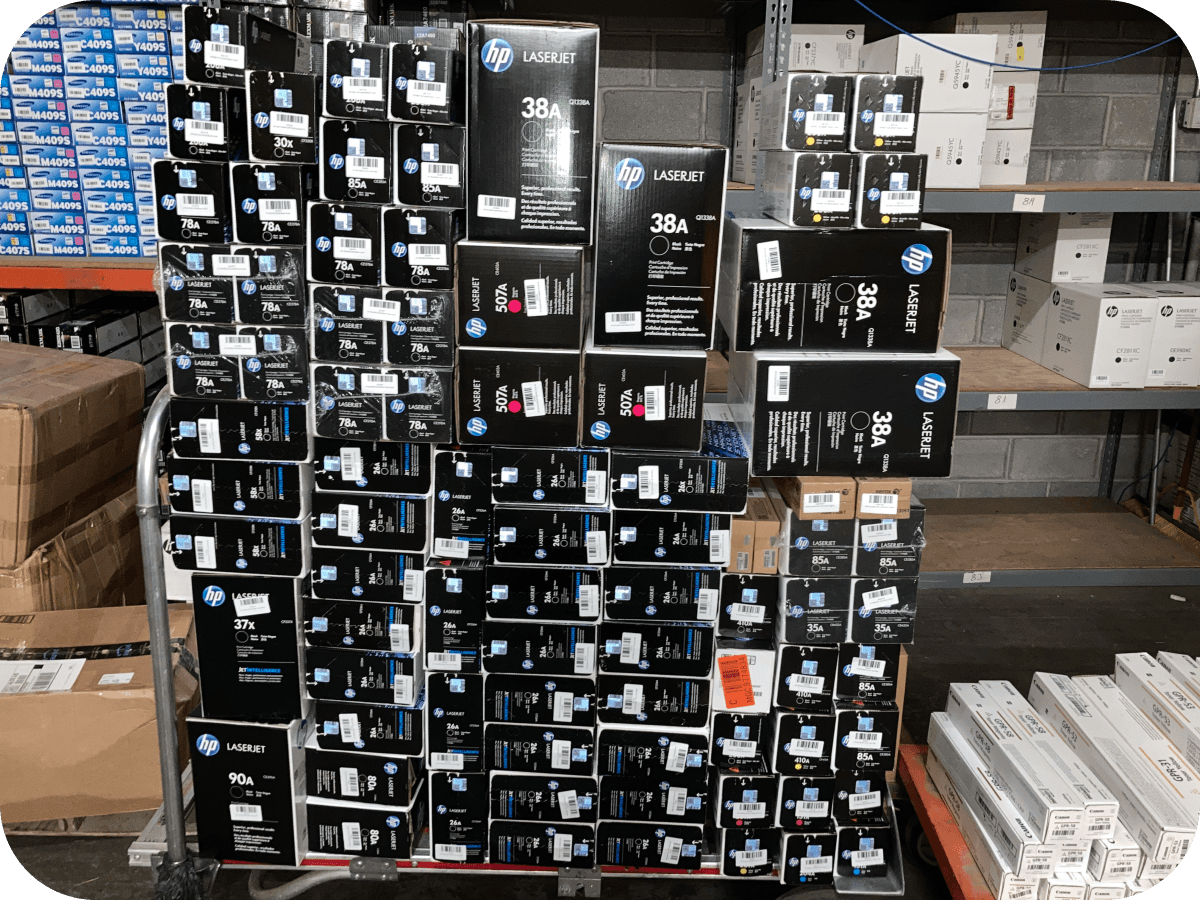
Toner Printer vs Ink Printer: Complete Guide to Cost, Speed, and Print Quality
A toner printer vs ink printer comparison comes down to volume, quality, speed, and cost. Toner printers are usually better for fast, high-volume document printing and lower costs per page. Ink printers are often better for photos, creative projects, and users who print less frequently.
Toner Printer vs Ink Printer: What Is the Difference?
Toner printers use dry powder and laser technology, while ink printers spray liquid ink onto paper.
A toner printer is another name for a laser printer. It uses a fine powder called toner, an imaging drum, static electricity, and heat to place text or graphics onto paper.
An ink printer, commonly called an inkjet printer, uses liquid ink. Tiny nozzles spray droplets onto the page to create text, images, and photographs.
What Is a Toner Printer?
A toner printer uses powdered toner to produce fast, durable prints.
Toner printers are frequently used in offices, schools, and businesses because they handle large print jobs efficiently. They are especially good at producing crisp black text.
Common toner-printer uses include:
- Contracts
- Reports
- Invoices
- Shipping documents
- Training materials
- High-volume office paperwork
What Is an Ink Printer?
An ink printer uses liquid ink and is well suited to photos and detailed color output.
Inkjet printers are common in homes, studios, and small offices. Their strength is color blending, which makes them useful for photo printing and creative materials.
Common ink-printer uses include:
- Photographs
- School projects
- Color presentations
- Invitations
- Art prints
- Marketing samples
Toner Printer vs Ink Printer Cost Comparison
Toner printers usually cost more upfront but often cost less per page over time.
The cheapest printer is not always the most affordable printer to own. A low purchase price can be offset by expensive replacement cartridges and low page yields.
In the toner printer vs ink printer cost comparison, toner usually offers a lower cost per page for frequent printing.
Upfront Printer Cost
Ink printers are generally cheaper to purchase.
Basic inkjet printers are often sold at lower prices, making them attractive for light home use. Laser printers may require a larger initial investment, especially if you need color printing, scanning, copying, or business networking features.
A lower upfront price can make sense when printing is occasional. For frequent use, ongoing supply costs matter more.
Cartridge Price and Page Yield
Toner cartridges cost more but usually print many more pages.
A cartridge’s page yield is the estimated number of pages it can print under standardized test conditions.
Typical ranges vary widely by model, but many standard toner cartridges produce thousands of pages. Standard ink cartridges frequently produce hundreds of pages.
Higher-yield cartridges may offer better value because they reduce:
- Replacement frequency
- Packaging waste
- Shipping costs
- Staff time spent changing cartridges
The International Organization for Standardization publishes testing methods used by manufacturers to estimate cartridge yields. You can learn more through the ISO website.
Cost per Page
Cost per page gives a more useful comparison than cartridge price alone.
You can estimate cost per page with this simple formula:
Cartridge price ÷ estimated page yield = approximate cost per page
For example, a $90 cartridge rated for 3,000 pages has an approximate toner cost of three cents per page. Actual costs vary based on page coverage, color use, print settings, and cartridge performance.
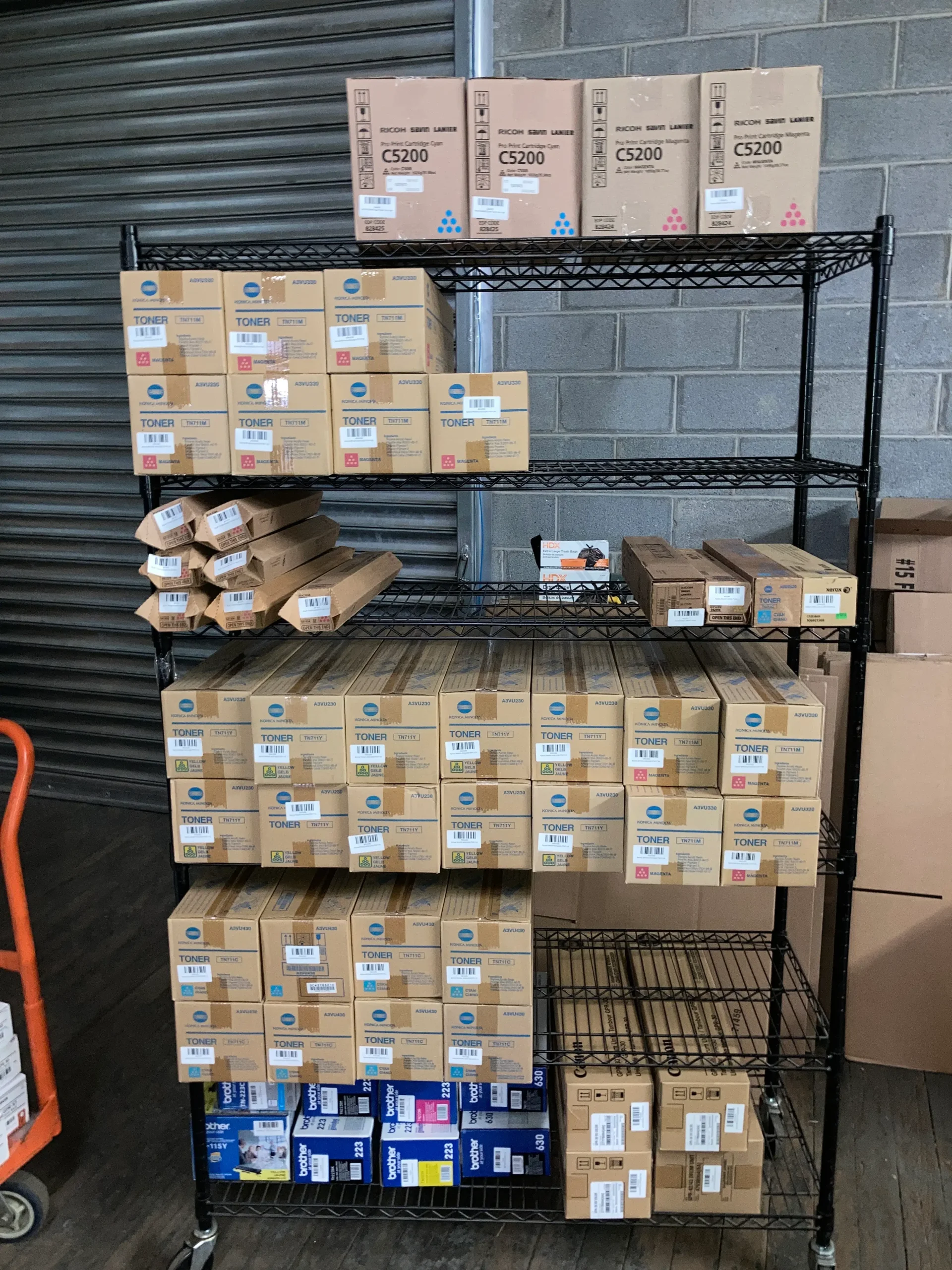
Toner Printer vs Ink Printer Print Quality
Toner is usually better for sharp text, while ink is usually better for photographs and subtle color gradients.
The best choice in the toner printer vs ink printer debate depends on whether you prioritize sharp text or detailed color images.
Text and Business Documents
Toner printers are generally the stronger choice for text-heavy printing.
Laser printers produce precise letters and clean lines. The toner is fused onto the page, so finished documents are usually resistant to smudging during normal handling.
This makes toner printers useful for:
- Legal documents
- Financial reports
- Forms
- Manuals
- Labels
- Everyday office correspondence
Photographs and Color Graphics
Ink printers typically provide smoother photographic color.
Inkjet printers can blend droplets in ways that produce detailed shadows, gradients, and skin tones. A quality photo inkjet printer paired with suitable paper can create impressive results.
A color laser printer can still produce strong business graphics, charts, and presentations. However, it may not match a photo-focused inkjet printer for detailed photographic work.
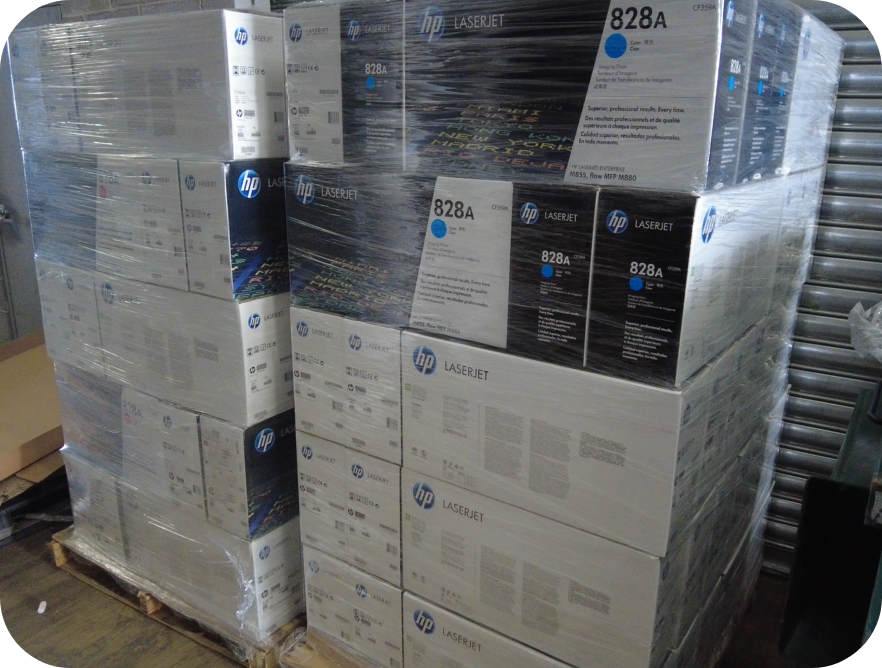
Toner Printer vs Ink Printer Speed and Page Yield
Toner printers are generally faster and better suited to large print jobs.
Laser printers prepare the entire page image before transferring it to paper. This process allows many models to print quickly and consistently.
A toner printer may be the better option when you regularly print:
- Long reports
- Training packets
- Customer invoices
- School handouts
- Shipping paperwork
- Multi-page business documents
Inkjet printers can be fast enough for home and light-office use, but repeated large jobs may take longer and consume cartridges more quickly.
Print speed is commonly expressed in pages per minute, or PPM. Actual speed can differ from the advertised figure when printing color, graphics, double-sided pages, or high-resolution images.
Toner Printer vs Ink Printer Maintenance Needs
Toner printers usually require less routine attention, while ink printers need more care to prevent nozzle problems.
Maintenance is another important factor when comparing a toner printer vs ink printer, since liquid ink can dry or clog during long periods of inactivity.
Inkjet maintenance may include:
- Running nozzle checks
- Cleaning printheads
- Aligning cartridges
- Printing regularly
- Replacing dried or clogged ink
Laser-printer maintenance may include:
- Replacing toner cartridges
- Cleaning accessible toner dust
- Replacing imaging drums
- Servicing rollers
- Replacing maintenance kits on high-volume models
Toner itself does not dry out like liquid ink. However, toner cartridges should still be stored in a cool, dry environment and kept sealed until needed.
Which Printer Is Best for Your Needs?
Choose based on what you print, how much you print, and what you can afford over time.
A toner printer is usually a better fit when you:
- Print frequently
- Produce mostly text documents
- Need fast output
- Want fewer cartridge changes
- Care about long-term cost per page
An ink printer may be a better fit when you:
- Print detailed photographs
- Need rich color output
- Print only occasionally
- Prefer a lower initial purchase price
- Work on art or creative projects
For a small business printing hundreds of documents each week, a monochrome laser printer may provide better value. For a family that prints school projects and photos a few times each month, an inkjet printer may be more practical.
What Should You Do With Unused OEM Toner?
Unopened OEM toner may have resale value if a printer upgrade leaves it unused.
Changing printer models can leave businesses with cartridges that no longer fit their equipment. Rather than allowing those supplies to age in storage, eligible cartridges may be sold.
Toner Connect helps businesses sell unused OEM toner. This can be useful after:
- Printer-fleet replacements
- Office relocations
- Managed-print changes
- Company mergers
- Storage-room cleanouts
- Purchasing errors
You can review Toner Connect’s toner-selling information or visit the FAQ page for details about eligibility and the quote process.
Selling usable toner before recycling can help recover part of its value and keep a functional product in circulation.

Toner Printer vs Ink Printer Statistics and Facts
Recent waste data shows why printer choice, maintenance, and cartridge reuse matter.
The Global E-waste Monitor 2024 reported that the world generated approximately 62 million metric tons of e-waste in 2022. Only 22.3% was formally collected and recycled that year.
Printer cartridges are only one part of the wider waste picture, but responsible purchasing, reuse, and recycling can help reduce unnecessary disposal.
The U.S. Environmental Protection Agency promotes sustainable materials management, including reuse and responsible recycling. Learn more from here.
Useful dated facts:
- Global e-waste generated in 2022: 62 million metric tons
- Formally collected and recycled in 2022: 22.3%
- Reporting source: Global E-waste Monitor 2024
- Best cost metric for cartridges: cost per page
- Best general use for toner printers: frequent document printing
- Best general use for ink printers: photos and detailed color
Toner Printer vs Ink Printer Frequently Asked Questions
Toner is usually better for volume and text, while ink is usually better for photos.
Is a toner printer cheaper than an ink printer?
It is often cheaper over time for frequent printing.
The printer itself may cost more, but higher cartridge yields and fewer replacements can lower long-term operating costs.
Which printer lasts longer?
Printer lifespan depends more on build quality, use, and maintenance than on technology alone.
A business laser printer may be engineered for heavier workloads, while a basic home inkjet may be designed for lighter use. Always check the manufacturer’s recommended monthly print volume.
Does toner last longer than ink?
Toner generally stores better because it is a dry powder.
Liquid ink can dry around printhead nozzles during long periods without use. Properly stored toner does not have the same drying problem.
Which printer is better for a home office?
A laser printer is often better for frequent paperwork, while an inkjet is better for mixed color and photo printing.
Consider your monthly print volume before deciding.
Can unused toner cartridges be sold?
Yes, some unopened OEM cartridges may qualify for resale.
Condition, brand, model, demand, and packaging all affect eligibility. Toner Connect provides a quote process for qualifying supplies.
Conclusion: Toner Printer vs Ink Printer
Toner is usually the better choice for frequent document printing, while ink is usually better for photos and creative color work.
Overall, the toner printer vs ink printer decision should be based on print volume, document type, operating costs, and maintenance expectations. Toner printers offer speed, high yields, and efficient text printing. Ink printers offer excellent photographs, rich colors, and lower entry prices.
Whichever technology you choose, compare cartridge yields before buying. If a printer change leaves your business with unopened OEM toner, Toner Connect may help you recover value from eligible surplus supplies.