
Do You Have To Pay Taxes On Selling Toner Cartridges?
Selling toner cartridges can be a smart way for businesses and individuals to recover money from unused office supplies. Whether selling surplus toner inventory, unopened cartridges, or toner through online marketplaces, many sellers eventually ask an important question: do you have to pay taxes on selling toner cartridges?
The answer often depends on several factors, including:
- How frequently you sell toner cartridges
- Whether the sales are personal or business related
- Your location and tax laws
- The amount of income earned
- The selling platform used
Understanding the tax considerations involved with selling toner cartridges can help businesses and individuals stay compliant while managing office inventory more efficiently.
Why People Sell Toner Cartridges?
Many businesses and home users sell toner cartridges for several reasons.
Common situations include:
- Printer upgrades
- Overstock purchases
- Office downsizing
- Remote work transitions
- Switching printer brands
- Surplus office inventory
As a result, unused toner cartridges often retain resale value instead of becoming wasted office supplies.
Selling Toner Cartridges May Generate Taxable Income
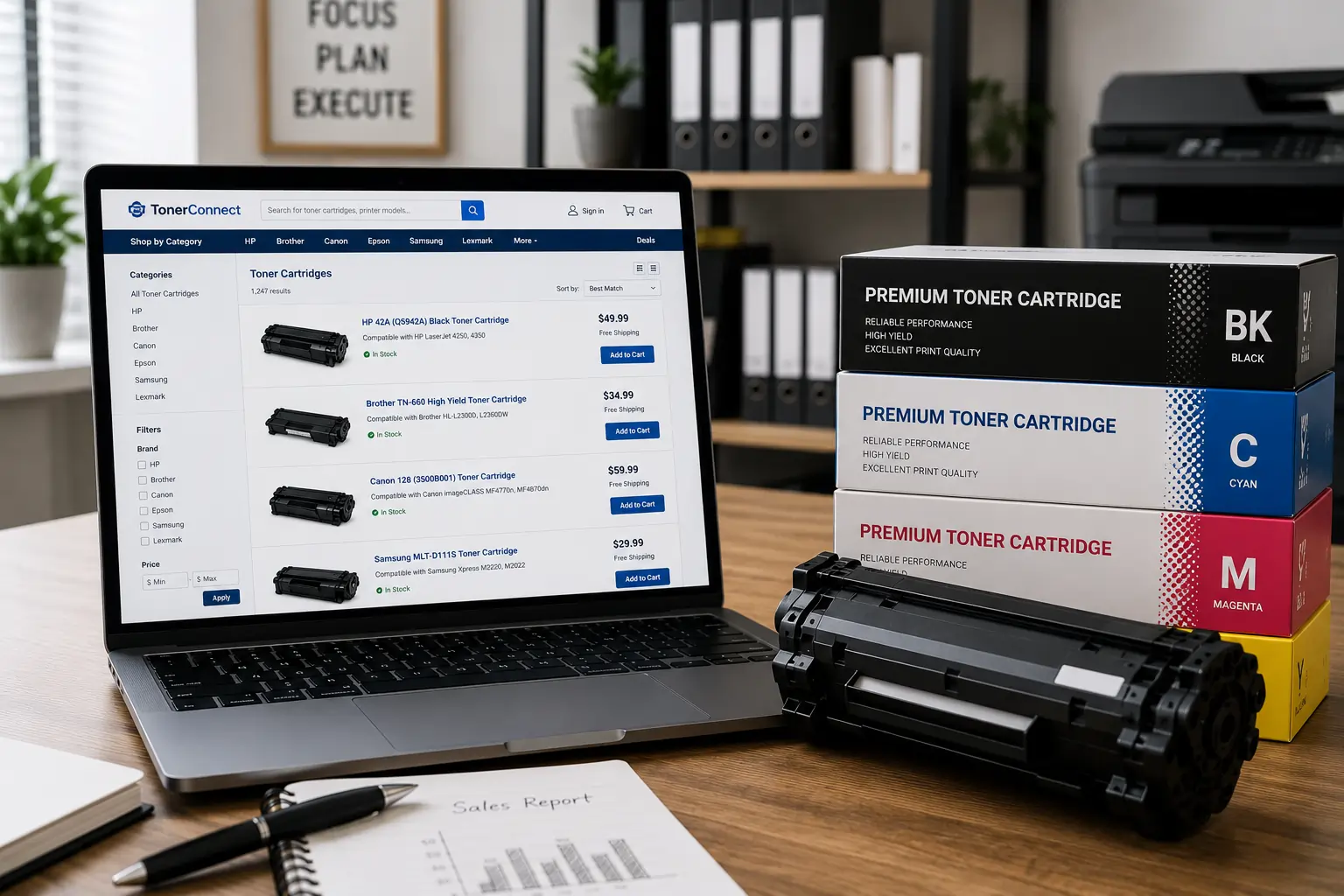

In many cases, money earned from selling toner cartridges may be considered taxable income.
Business Sales vs Personal Sales
Tax treatment often depends on whether:
- The cartridges were business assets
- The sales are part of ongoing business activity
- The seller operates regularly for profit
Occasional Personal Sales
Occasional personal sales may be treated differently than regular commercial sales.
For example:
- Selling a few unused cartridges from home may differ from operating a toner resale business.
Because tax rules vary by country and region, sellers should review local regulations carefully.
Businesses Usually Need to Track Toner Cartridge Sales
Businesses selling toner cartridges should generally maintain accurate records.
Important Records to Keep
Track:
- Purchase receipts
- Sale prices
- Inventory records
- Shipping costs
- Marketplace fees
Why Documentation Matters?
Good recordkeeping helps businesses:
- Calculate profit or loss
- Prepare tax filings
- Track inventory value
- Maintain accounting accuracy
As a result, organized records simplify both financial reporting and inventory management.
Online Marketplaces May Report Sales Activity
Many online selling platforms now report seller activity for tax purposes.
Common Toner Selling Platforms
Businesses and individuals often sell toner cartridges through:
- eBay
- Amazon
- Facebook Marketplace
- Office supply resale websites
Marketplace Reporting Rules
Depending on local tax laws, marketplaces may issue:
- Sales summaries
- Tax reporting forms
- Transaction records
Because of this, sellers should monitor their sales activity carefully throughout the year.
Sales Tax May Also Apply in Some Situations
In some locations, selling toner cartridges may involve sales tax obligations.
Businesses May Need Sales Tax Registration
Frequent sellers or registered businesses may need to:
- Collect sales tax
- Report taxable sales
- Follow local business regulations
Tax Rules Vary by Location
Sales tax requirements differ depending on:
- State laws
- Country regulations
- Business structure
- Sales volume
Therefore, businesses should review local tax requirements before selling toner cartridges regularly.
Toner Cartridge Resale Can Still Be Financially Beneficial
Even with potential tax obligations, selling unused toner cartridges may still provide important financial advantages.
Recover Value from Surplus Inventory
Businesses can reduce losses from:
- Overstock toner
- Obsolete supplies
- Printer upgrades
Improve Inventory Management
Selling unused toner helps:
- Free storage space
- Reduce waste
- Improve supply organization
Support Sustainable Office Practices
Reselling toner cartridges extends product lifespan before recycling becomes necessary.
As a result, toner resale often benefits both finances and sustainability efforts.
Businesses and home users looking for dependable toner cartridge solutions can explore products from Toner Connect.
Common Tax Questions About Selling Toner Cartridges
Many sellers have similar concerns when reselling toner supplies.
Do Small Occasional Sales Need to Be Reported?
Tax rules vary depending on:
- Income thresholds
- Business activity
- Local laws
What If You Sell Toner at a Loss?
Some businesses may sell surplus toner below original purchase price.
Are Online Marketplace Payments Tracked?
Many digital payment systems now maintain transaction records automatically.
Because tax laws change frequently, consulting a qualified tax professional is often recommended for specific situations.
Tips for Businesses Selling Toner Cartridges
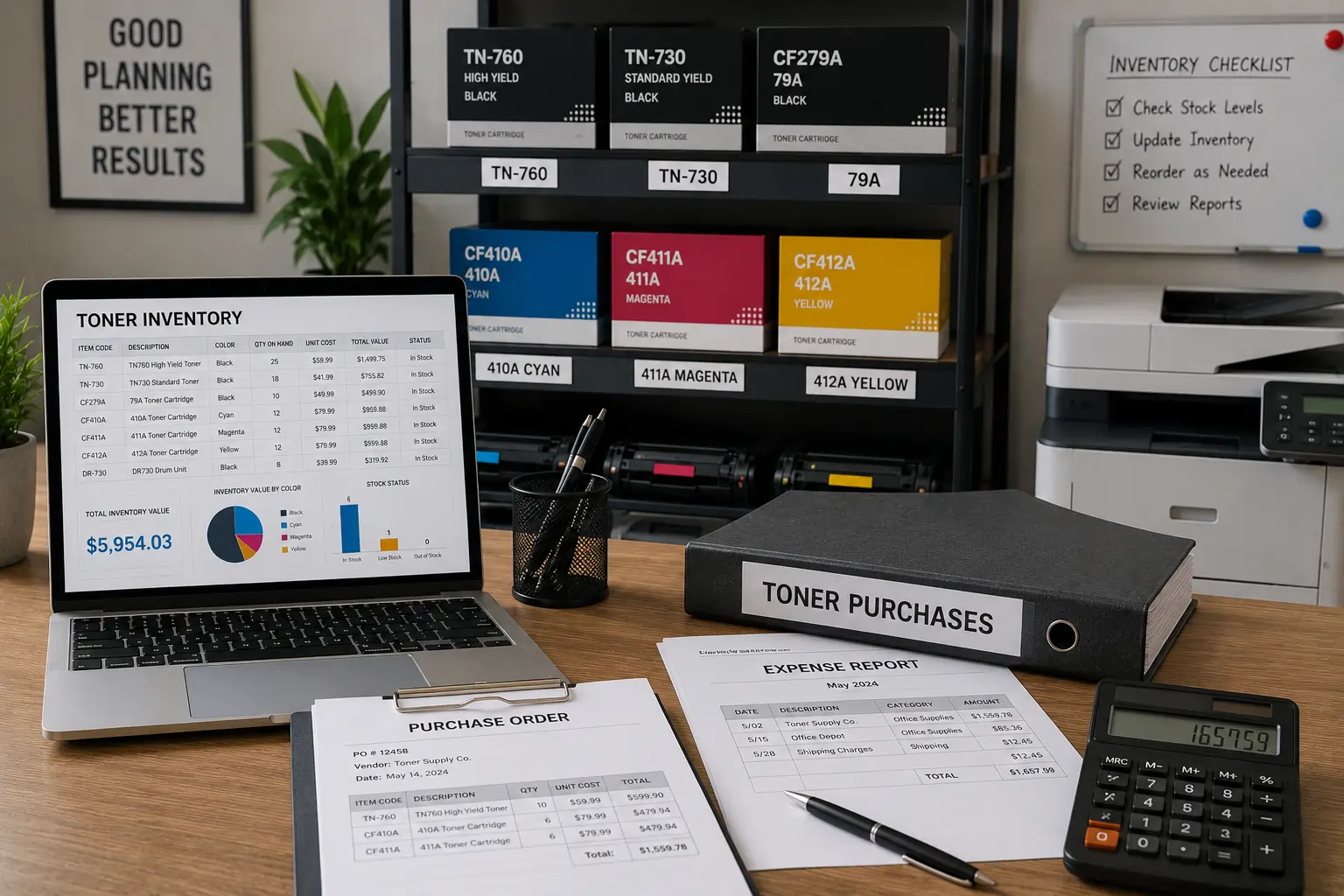
Several simple practices can help businesses manage toner resale more effectively.
Maintain Organized Inventory
Track:
- Cartridge models
- Purchase dates
- Sale records
- Inventory quantities
Store Toner Properly
Proper storage helps preserve cartridge resale value.
Keep cartridges:
- Away from heat
- Away from humidity
- In original packaging
Monitor Market Value
OEM cartridges from brands such as:
- HP
- Brother
- Canon
- Xerox
often maintain stronger resale demand.
Therefore, understanding market trends may help maximize resale opportunities.
Environmental Benefits of Selling Unused Toner Cartridges

Selling toner cartridges also supports sustainability goals.
Reduced Landfill Waste
Unused cartridges contain:
- Plastic housing
- Electronic components
- Metal parts
- Toner powder
Support for Circular Economy Practices
Resale extends cartridge usability before recycling becomes necessary.
Reduced Manufacturing Demand
Reusing existing toner inventory helps reduce demand for new production.
Because of this, toner resale supports more environmentally responsible office practices.
Modern Office Inventory Management Helps Reduce Surplus
Businesses increasingly use:
- Inventory tracking systems
- Print management software
- Toner monitoring tools
to reduce excess toner purchases and improve supply efficiency.
According to HP and Canon sustainability resources, extending product lifespan through reuse and resale remains an important part of reducing office waste and improving sustainability.
Conclusion
Selling toner cartridges can help businesses and individuals recover value from unused office supplies while supporting more sustainable printing practices. However, depending on local tax laws and sales activity, toner cartridge sales may involve income reporting or sales tax responsibilities. By maintaining organized records, understanding marketplace reporting rules, and monitoring inventory carefully, sellers can manage toner resale more effectively while staying financially organized.