
Refilling Toner Cartridges: A Practical DIY Guide for Smarter Printing
Printer toner costs can add up quickly, especially for businesses and home offices with high printing demands. That is why many people are turning to DIY toner cartridge refilling as a cost saving alternative to constantly buying new cartridges.
Refilling toner cartridges can help reduce printing expenses, minimize waste, and extend the life of compatible printer supplies. However, the process requires proper handling, the right tools, and an understanding of toner safety practices.
This practical DIY guide explains how toner cartridge refilling works, the benefits and risks involved, and how to refill toner cartridges safely and effectively.
What Does Refilling a Toner Cartridge Mean?
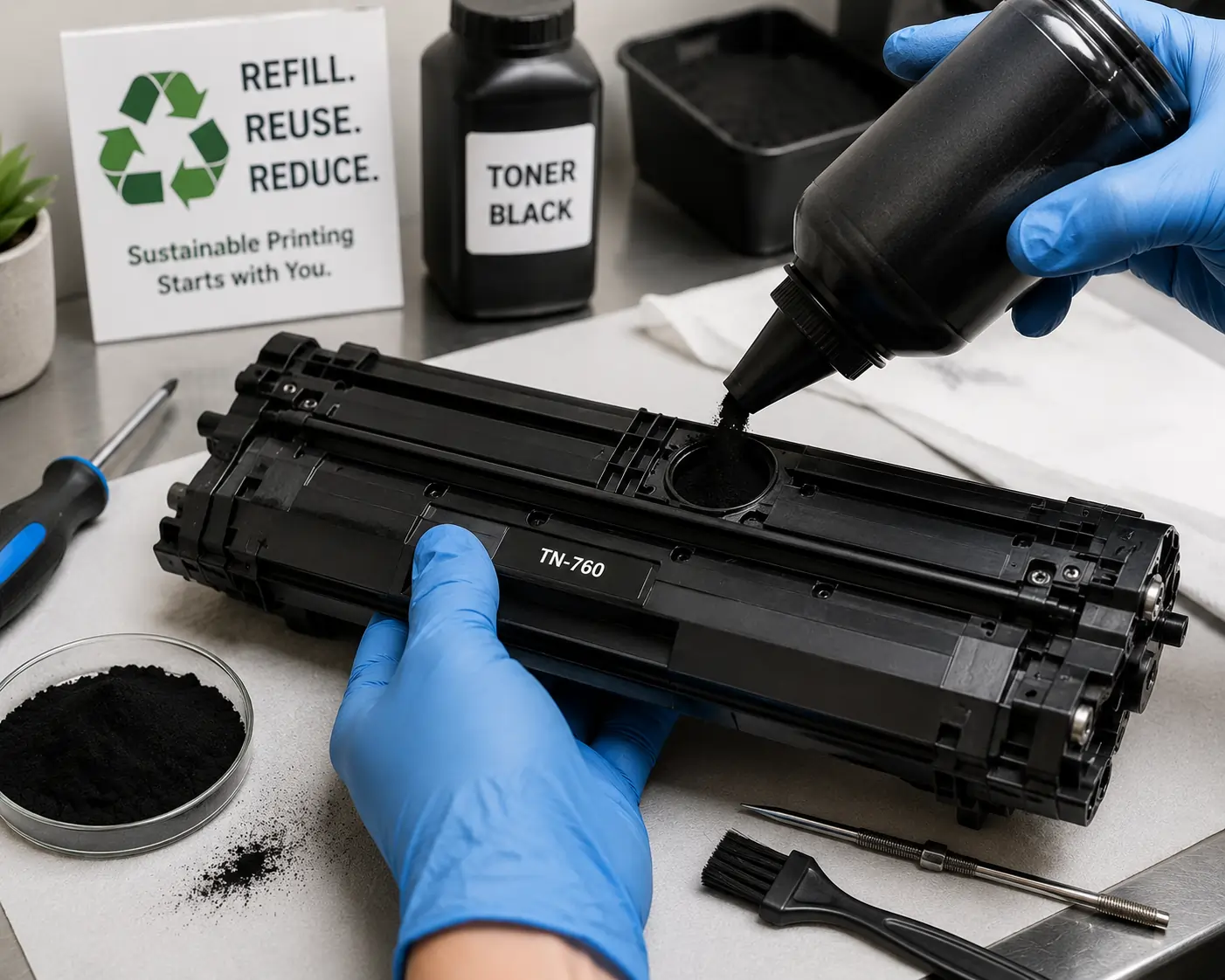
Refilling a toner cartridge involves adding new toner powder into an empty or partially used laser printer cartridge instead of replacing the entire unit.
Unlike ink cartridges, toner cartridges use fine powder rather than liquid ink. This powder is fused onto paper using heat during the printing process.
Commonly Refillable Toner Cartridges
Many toner cartridges from major printer brands can be refilled, including:
- HP toner cartridges
- Brother toner cartridges
- Canon toner cartridges
- Lexmark toner cartridges
- Samsung toner cartridges
However, refill compatibility varies depending on cartridge design and printer model.
Why People Refill Toner Cartridges?
DIY toner refilling has become increasingly popular because it offers both financial and environmental advantages.
Cost Savings
One of the biggest reasons people refill toner cartridges is to lower printing costs. Refill kits are often significantly cheaper than purchasing brand new OEM cartridges.
Reduced Waste
Refilling cartridges keeps usable plastic components out of landfills and supports more sustainable printing practices.
Emergency Printing Solution
For offices that run out of toner unexpectedly, refilling can provide a temporary solution until replacement cartridges arrive.
Businesses working with suppliers like Toner Connect can also reduce waste by improving toner inventory planning and purchasing accuracy.
Tools and Supplies Needed for DIY Toner Refilling
Before starting, gather the proper equipment to avoid spills and cartridge damage.
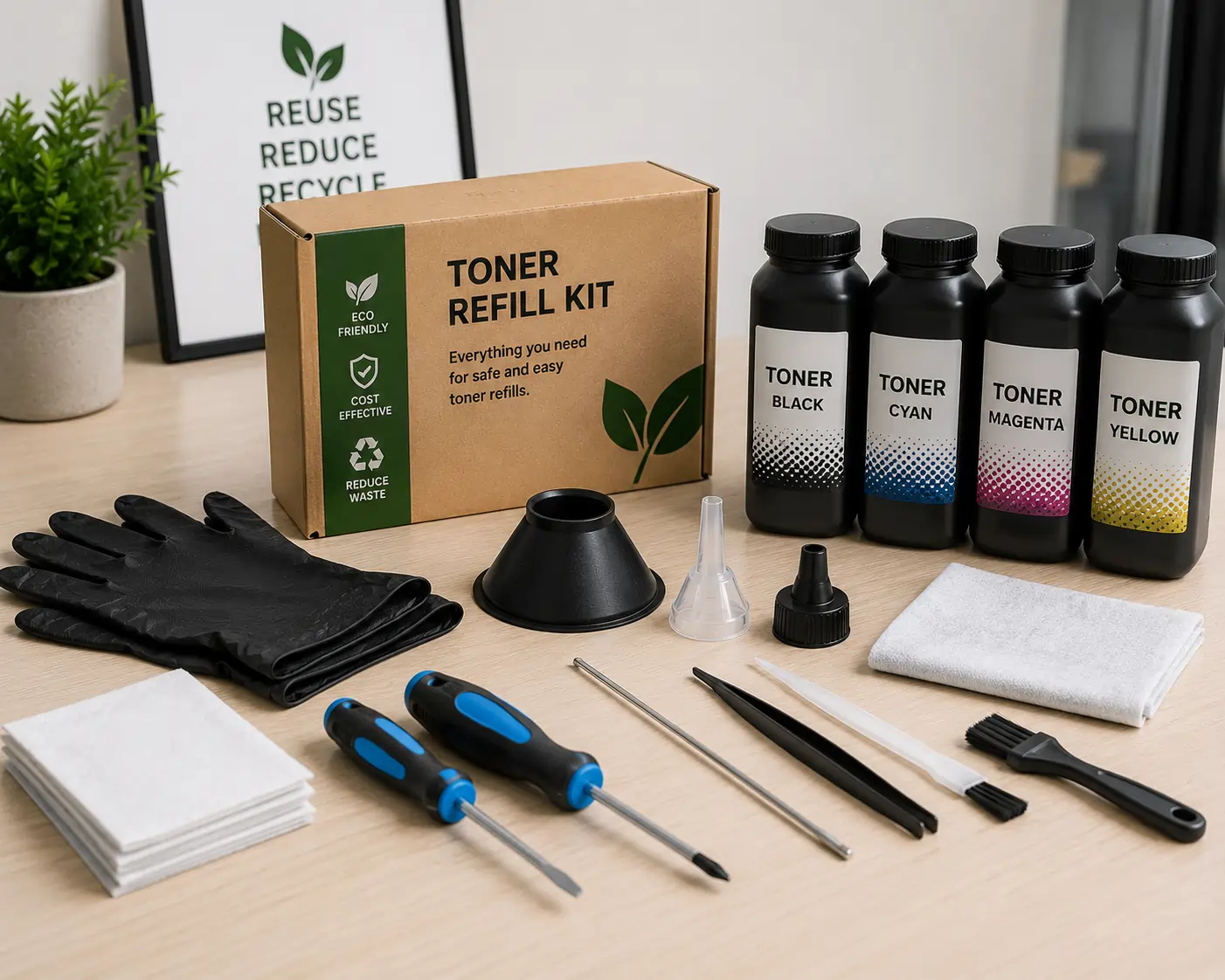
Essential Refill Supplies
You will typically need:
- Toner refill powder
- Refill funnel or nozzle
- Protective gloves
- Face mask
- Screwdriver set
- Cleaning cloths
- Toner vacuum or disposable wipes
Using toner powder designed specifically for your printer model is extremely important. Incorrect toner formulas can damage printers or reduce print quality.
Safety Precautions Before Refilling Toner
Toner powder is very fine and can become airborne easily during refilling.
Important Safety Tips
Always:
- Work in a well ventilated area
- Wear gloves and a dust mask
- Avoid inhaling toner particles
- Keep toner away from children and pets
- Protect surfaces with disposable paper or plastic coverings
The Occupational Safety and Health Administration provides general workplace safety guidance for handling fine particulate materials.
Step by Step DIY Toner Cartridge Refilling Guide
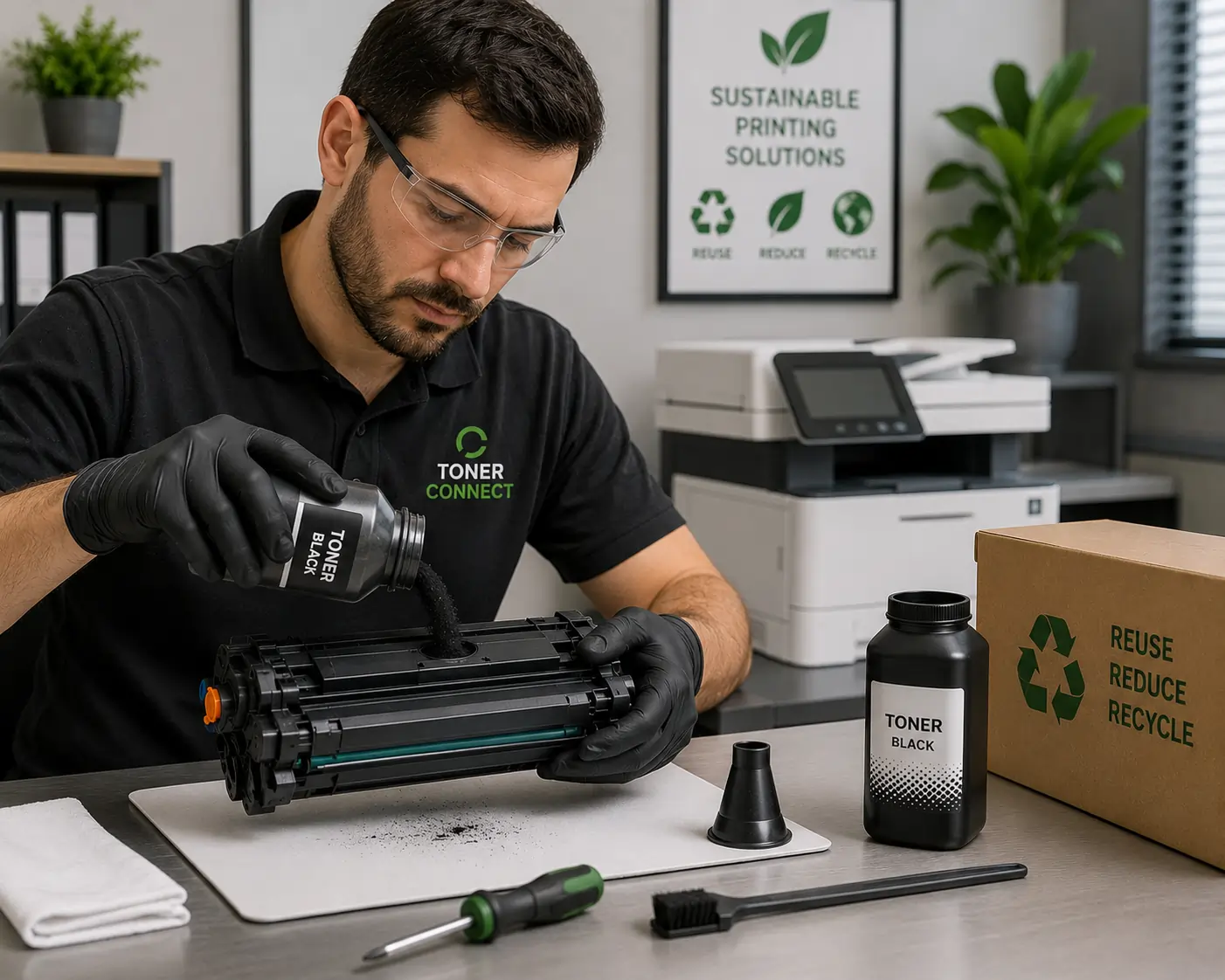
Refilling methods vary slightly depending on cartridge design, but the overall process is generally similar.
Step 1: Remove the Cartridge
Carefully remove the toner cartridge from the printer and place it on a protected surface.
Step 2: Locate the Fill Hole
Some cartridges have a designated refill port, while others require removing a side panel or creating a refill opening.
Step 3: Empty Remaining Waste Toner
Before adding fresh toner, remove excess waste toner buildup when possible. This helps improve print quality and prevents overflow issues.
Step 4: Add New Toner Powder
Using a refill funnel, slowly pour the correct toner powder into the cartridge.
Avoid overfilling, as excess toner can cause leaks and printer malfunctions.
Step 5: Seal and Reassemble the Cartridge
Secure all caps, plugs, or panels tightly to prevent toner leakage.
Step 6: Reinstall and Test Print
Place the cartridge back into the printer and print several test pages to evaluate print quality.
Common Problems After Refilling Toner Cartridges
DIY refilling can sometimes create print quality issues if cartridges are damaged or improperly filled.
Frequent Toner Refill Problems
Common issues include:
- Toner leaks
- Faded printing
- Streaks or smudges
- Printer error messages
- Uneven print density
Some modern printers also use smart chips that track cartridge usage. In certain cases, these chips may require resetting or replacement after refilling.
OEM vs Compatible vs Refilled Toner Cartridges
Understanding the difference between cartridge types can help businesses choose the right printing solution.
OEM Cartridges
Original equipment manufacturer cartridges are made by the printer brand itself and usually provide the most reliable print quality.
Compatible Cartridges
Compatible cartridges are third party products designed to work with specific printers at lower costs.
Refilled Cartridges
Refilled cartridges reuse existing cartridge shells by adding new toner powder.
Each option offers different advantages depending on printing volume, budget, and print quality requirements.
When DIY Toner Refilling Makes Sense?
Refilling toner cartridges works best in certain situations.
Ideal Use Cases
DIY refilling may be practical for:
- Home offices
- Small businesses
- High volume black and white printing
- Internal document printing
- Budget conscious users
However, businesses requiring consistent professional print quality may still prefer OEM or premium compatible cartridges.
When You Should Replace Instead of Refill?
Not every cartridge should be reused indefinitely.
Signs a Cartridge Needs Replacement
Replace the cartridge if you notice:
- Cracked housing
- Damaged rollers
- Persistent print defects
- Severe toner leakage
- Worn internal components
Overused cartridges can eventually damage printers or reduce printing reliability.
Businesses sourcing dependable replacement cartridges from suppliers like Toner Connect can often reduce downtime while maintaining print efficiency.
Environmental Benefits of Toner Refilling
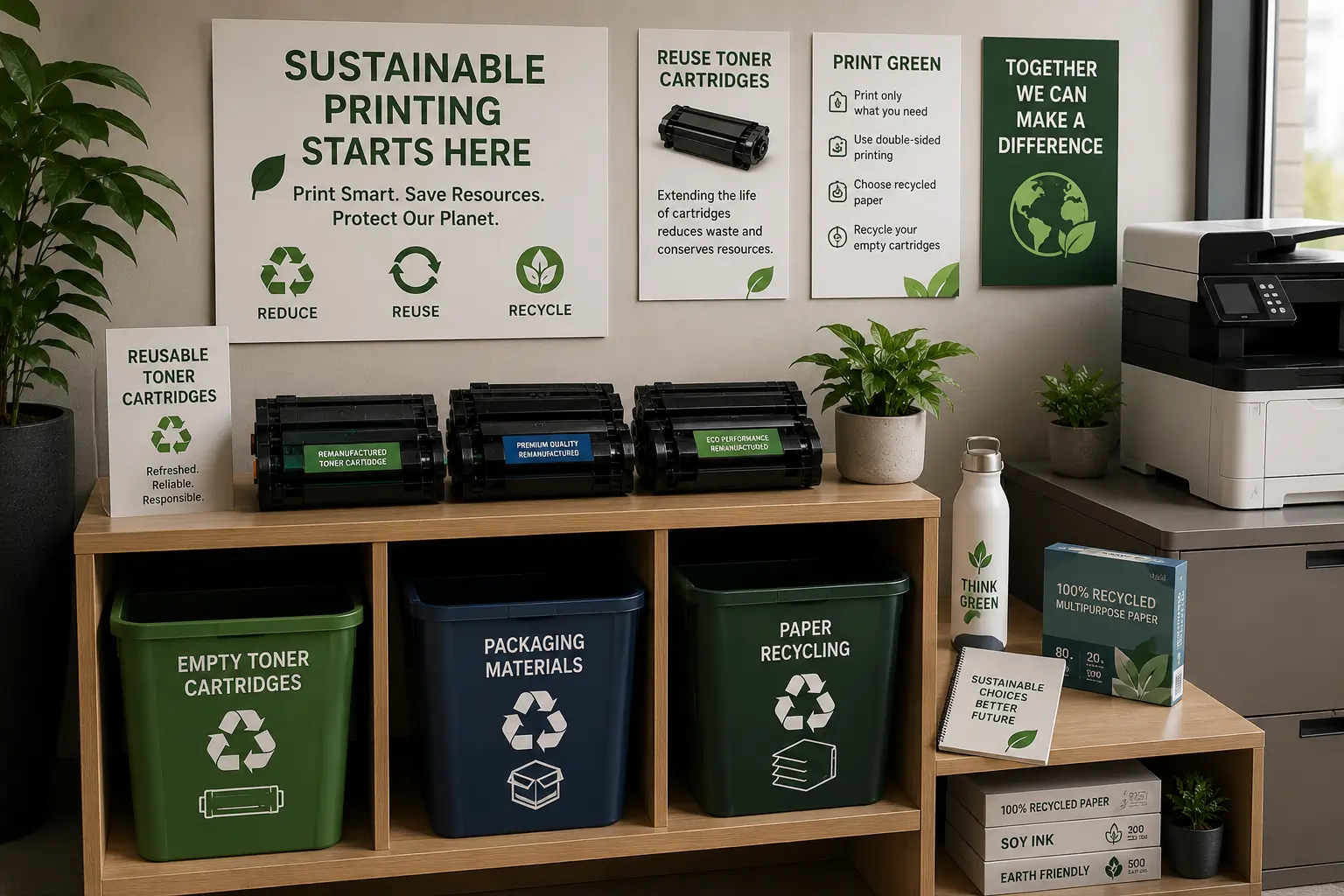
Refilling toner cartridges contributes to sustainability by reducing plastic waste and extending cartridge lifespan.
According to the Environmental Protection Agency, millions of printer cartridges are discarded annually, making cartridge reuse and recycling increasingly important.
Sustainable Printing Advantages
- Less landfill waste
- Reduced plastic consumption
- Lower manufacturing demand
- Extended cartridge lifecycle
For environmentally conscious businesses, toner refilling can support broader sustainability initiatives.
Final Thoughts
Refilling toner cartridges can be a practical and cost effective solution for businesses and individuals looking to reduce printing expenses. With the right tools, proper safety precautions, and careful handling, DIY toner refilling can extend cartridge life while supporting more sustainable printing practices.
However, successful toner refilling depends on using compatible toner powder, following proper procedures, and recognizing when a cartridge has reached the end of its usable life. A balanced approach between refilling, replacing, and recycling often delivers the best long term printing results.