
Smarter Toner Cartridge Procurement: 10 Cost Reduction Strategies for 2026
Businesses are under more pressure than ever to control operational expenses while maintaining productivity. Printing costs often fly under the radar, but toner cartridge procurement can quietly drain budgets when purchasing decisions are inconsistent or outdated. In 2026, smarter procurement strategies are helping companies reduce waste, improve printer efficiency, and lower long term supply costs without sacrificing print quality.
Whether you manage procurement for a small office or a large enterprise, adopting a more strategic approach to toner cartridge purchasing can create measurable savings across your organization.
Why Toner Cartridge Procurement Matters More in 2026?

Printing technology continues to evolve, but toner expenses remain a recurring operational cost for many industries. Hybrid work environments, rising supply chain costs, and sustainability initiatives are all influencing how companies purchase toner cartridges.
Businesses that rely on reactive ordering or inconsistent suppliers often face:
- Higher per cartridge costs
- Emergency purchases with inflated pricing
- Overstocked inventory
- Printer downtime
- Increased waste from incompatible cartridges
A smarter procurement strategy helps companies gain better visibility into usage patterns while reducing unnecessary spending.
1. Standardize Printer Models Across Departments
One of the fastest ways to reduce toner expenses is to minimize the number of printer models used across the company.
When businesses operate too many device types, procurement teams must manage multiple cartridge SKUs, which increases inventory complexity and waste.
Benefits of Standardization
- Easier inventory management
- Bulk purchasing opportunities
- Reduced compatibility issues
- Lower training and maintenance costs
Companies working with suppliers like Toner Connect can simplify procurement by consolidating toner purchasing into fewer compatible product lines.
2. Purchase High Yield Toner Cartridges
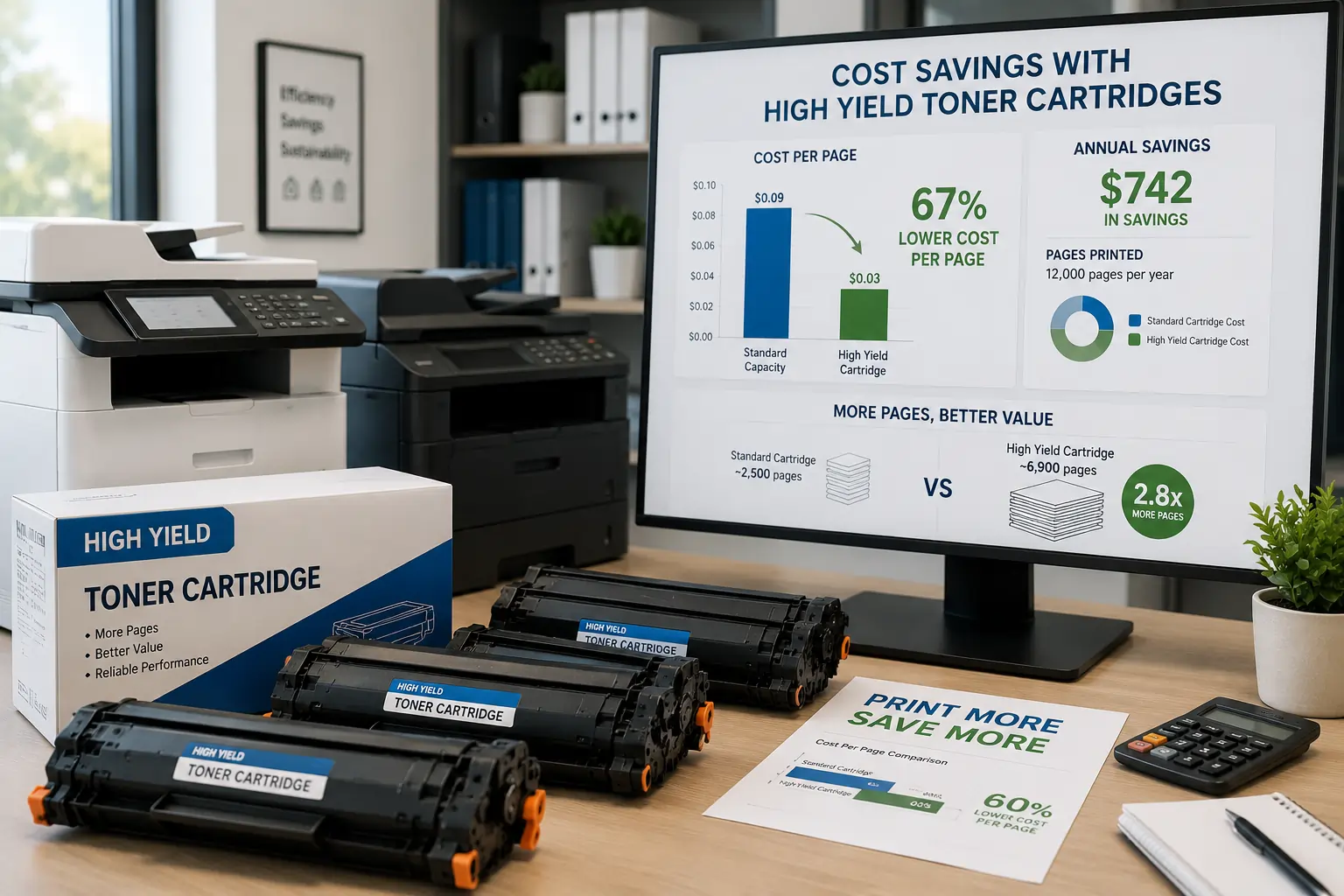
High yield toner cartridges may cost more upfront, but they typically deliver a lower cost per printed page.
This strategy works especially well for offices with high print volumes because it reduces:
- Cartridge replacement frequency
- Shipping costs
- Administrative purchasing time
Calculate Cost Per Page
Instead of focusing only on cartridge price, evaluate:
- Total page yield
- Cost per page
- Printer efficiency
- Maintenance frequency
Smarter procurement decisions focus on long term value rather than lowest initial pricing.
3. Implement Automated Toner Monitoring
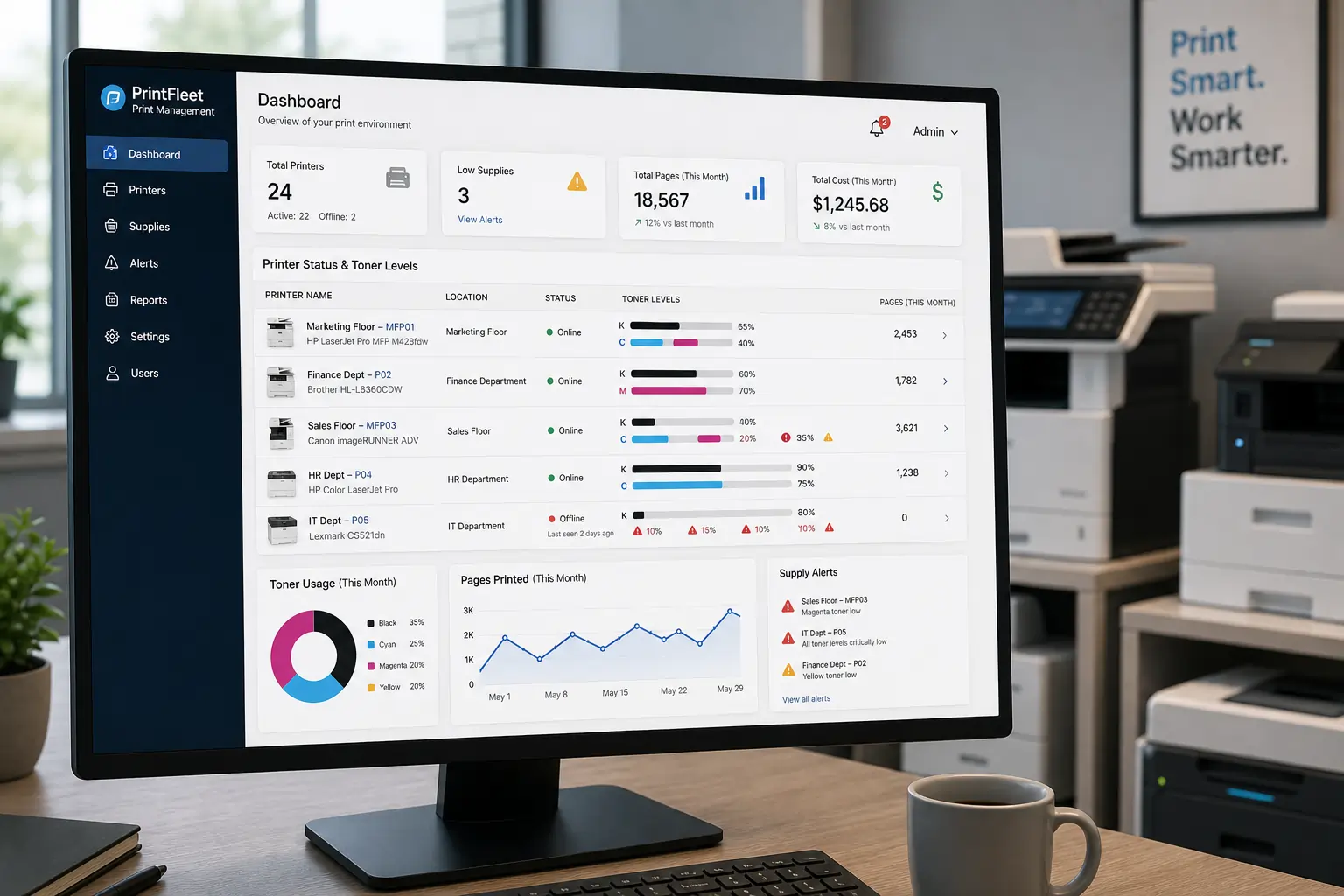
Manual toner tracking often leads to overordering or last minute emergency purchases.
Modern print management systems can automatically monitor toner levels and usage trends across devices.
Advantages of Automated Monitoring
- Prevents stock shortages
- Reduces excess inventory
- Improves forecasting accuracy
- Helps identify inefficient printing behavior
According to research from Gartner, automated procurement and inventory tracking can significantly improve operational efficiency across office supply management.
4. Consolidate Vendors for Better Pricing
Using multiple office supply vendors may seem flexible, but it often leads to inconsistent pricing and fragmented procurement data.
Partnering with a specialized toner supplier can unlock:
- Volume discounts
- Simplified invoicing
- Better customer support
- Faster delivery times
Businesses sourcing toner cartridges through trusted suppliers such as Toner Connect often gain better purchasing consistency and inventory visibility.
5. Use Compatible Toner Cartridges Strategically
Compatible toner cartridges continue to improve in quality and reliability. For many businesses, they provide substantial savings compared to OEM products.
When Compatible Cartridges Make Sense
Compatible cartridges are ideal for:
- High volume internal printing
- Draft document printing
- Administrative paperwork
- Routine office operations
However, businesses should still purchase from reputable suppliers that prioritize quality testing and printer compatibility.
Poor quality cartridges can lead to leaks, print defects, and printer damage, which can offset initial savings.
6. Analyze Print Usage Data Regularly
Many organizations purchase toner without understanding actual print behavior.
Regular print audits can uncover:
- Wasteful color printing
- Excessive personal printing
- Underutilized printers
- Departments with unusually high toner consumption
Data Driven Procurement Decisions
Tracking monthly print volume allows procurement teams to:
- Predict future toner demand
- Reduce unnecessary purchases
- Optimize cartridge inventory levels
This proactive approach improves budgeting accuracy and minimizes procurement surprises.
7. Reduce Unnecessary Color Printing
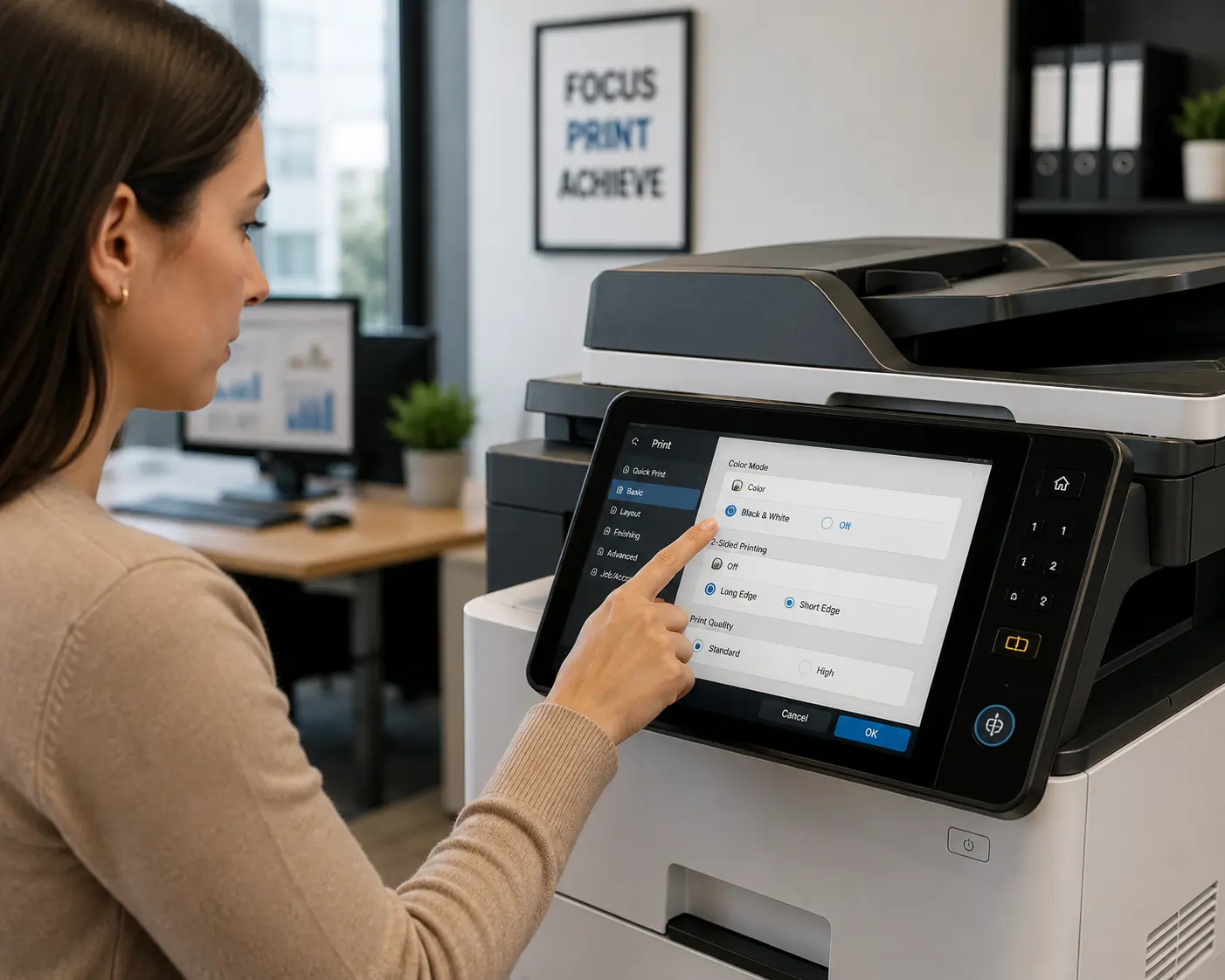
Color toner cartridges are significantly more expensive than black toner cartridges.
A simple policy adjustment can dramatically reduce printing costs.
Smart Print Policy Ideas
- Set default printing to black and white
- Restrict color printing permissions
- Encourage digital document sharing
- Use duplex printing by default
The Environmental Protection Agency also recommends reducing unnecessary printing as part of sustainable office management practices.
8. Improve Toner Storage Practices
Improper toner storage can shorten cartridge lifespan and lead to damaged inventory.
Best Practices for Toner Storage
Store cartridges in:
- Cool environments
- Dry locations
- Original packaging
- Areas away from direct sunlight
Proper storage reduces waste and ensures cartridges maintain print quality throughout their shelf life.
Businesses managing larger inventories can save substantial replacement costs simply by improving storage procedures.
9. Create a Scheduled Procurement Plan
Reactive purchasing is one of the biggest causes of overspending.
Instead of ordering toner only when supplies run low, businesses should establish recurring procurement schedules based on actual usage patterns.
Benefits of Scheduled Procurement
- Better budgeting consistency
- Reduced rush shipping costs
- Improved supplier negotiations
- Lower risk of downtime
Suppliers like Toner Connect can help businesses maintain reliable supply schedules while reducing procurement inefficiencies.
10. Prioritize Sustainability and Recycling Programs
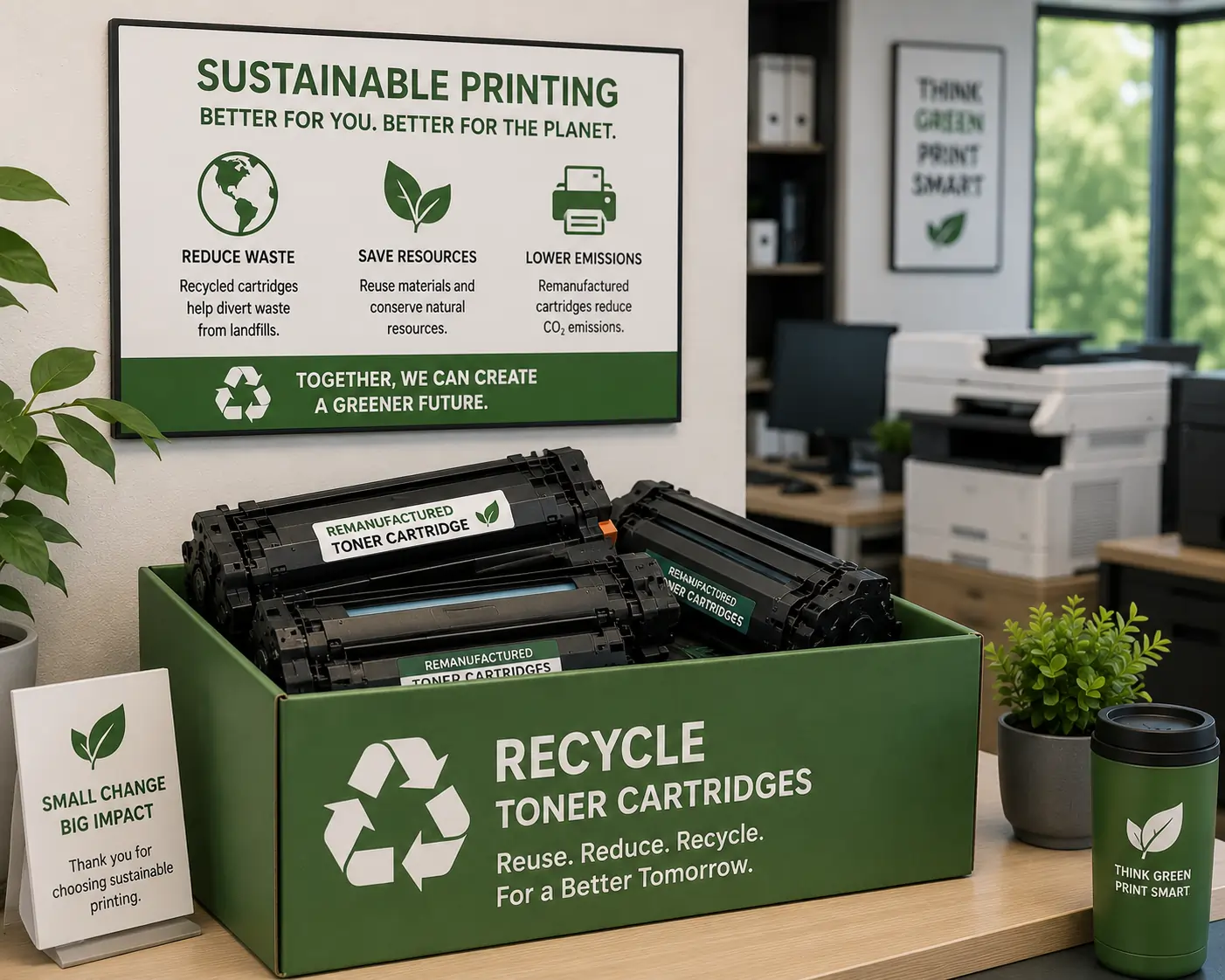
Sustainable procurement is becoming a major priority in 2026. Many businesses now evaluate suppliers based on environmental practices in addition to pricing.
Sustainable Procurement Strategies
- Recycle used toner cartridges
- Purchase remanufactured cartridges when appropriate
- Reduce unnecessary printing
- Work with environmentally responsible suppliers
Sustainability efforts can also improve brand reputation and support corporate ESG initiatives.
HP’s sustainability resources provide useful guidance for businesses seeking greener print management strategies.
How Smarter Procurement Impacts Long Term Business Costs?
Smarter toner cartridge procurement is not simply about finding cheaper products. It involves improving operational efficiency, reducing waste, and making data driven purchasing decisions.
When businesses optimize procurement strategies, they often experience:
- Lower total printing costs
- Improved workflow efficiency
- Fewer printer interruptions
- Better inventory control
- Reduced environmental impact
Even small changes in procurement policies can create substantial annual savings over time.
Final Thoughts
Toner cartridge procurement may seem like a routine operational task, but smarter strategies can significantly reduce costs in 2026 and beyond. Businesses that standardize purchasing, monitor print behavior, automate inventory tracking, and partner with reliable suppliers are better positioned to improve efficiency while controlling expenses.
By taking a more strategic approach to toner purchasing, companies can reduce waste, improve print operations, and create a more sustainable workplace without sacrificing productivity.