
Understanding Page Yield in Toner Cartridges
If you’ve ever shopped for toner cartridges, you’ve probably noticed the term “page yield” listed on product packaging or online listings. While it may sound technical, understanding page yield is actually one of the easiest ways to save money and choose the right toner cartridge for your printing needs.
Whether you print occasionally at home or manage large office printing volumes, page yield plays a major role in determining your overall printing costs. In this guide, we’ll break down what page yield means, how it’s calculated, and how to choose toner cartridges that deliver the best value.
What Is Page Yield in Toner Cartridges?
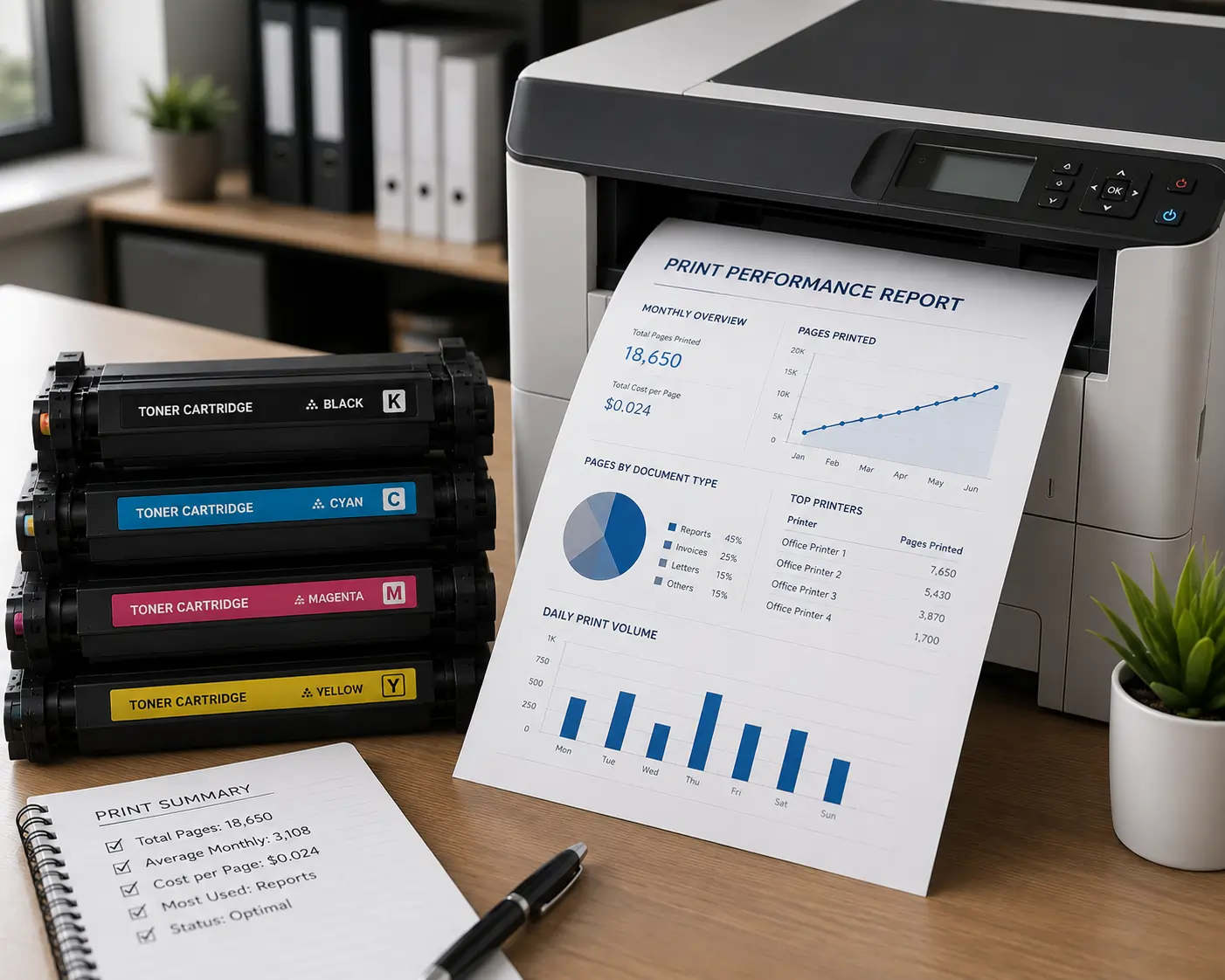
Page yield refers to the estimated number of pages a toner cartridge can print before it needs replacement.
Manufacturers typically calculate page yield using standardized testing methods based on:
- Average page coverage
- Standard print settings
- Controlled printing conditions
For example:
- A toner cartridge with a 2,000-page yield is expected to print approximately 2,000 standard pages before running out of toner.
However, actual results often vary depending on how you print.
How Page Yield Is Measured?
Most toner manufacturers follow ISO/IEC industry standards for page yield testing.
The 5% Coverage Rule
Page yield estimates are usually based on printing pages with 5% toner coverage.
This means:
- A typical text-only document uses about 5% of the page area
- Heavy graphics, charts, or images use much more toner
If you regularly print:
- Large graphics
- Marketing materials
- Bold text
- Dark images
Your real-world page yield may be lower than the advertised estimate.
According to Canon’s printer resources, print coverage is one of the biggest factors affecting toner consumption.
Standard Yield vs High-Yield Toner Cartridges
Not all toner cartridges are designed for the same printing volume.
Standard Yield Cartridges
Standard yield cartridges are designed for moderate printing needs.
Best for:
- Home offices
- Students
- Light business use
Benefits:
- Lower upfront cost
- Good for occasional printing
Drawbacks:
- Higher cost per page
- More frequent replacements
High-Yield Toner Cartridges
High-yield cartridges contain more toner and can print significantly more pages.
Best for:
- Businesses
- Schools
- High-volume printing
- Frequent office use
Benefits:
- Lower cost per page
- Fewer cartridge changes
- Better long-term savings
Many users prefer high-yield options from trusted suppliers like Toner Connect because they help reduce ongoing printing expenses.
Why Page Yield Matters?
Understanding page yield helps you compare toner cartridges more accurately.
Lower Printing Costs
A cheaper cartridge isn’t always the best deal.
For example:
- Cartridge A costs $40 and prints 1,000 pages
- Cartridge B costs $60 and prints 3,000 pages
Although Cartridge B costs more upfront, it offers a much lower cost per page.
Better Office Efficiency
Higher page yield also means:
- Less downtime
- Fewer cartridge replacements
- Improved workflow efficiency
This becomes especially important in busy office environments where printers are used constantly.
Factors That Affect Actual Page Yield
Real-world printing conditions can greatly impact toner usage.
Print Coverage
The more toner used on each page, the faster cartridges empty.
Documents with:
- Photos
- Dark graphics
- Bold fonts
- Large charts
will consume toner more quickly than plain text documents.
Print Quality Settings
Using high-resolution or “best quality” print settings increases toner consumption.
Draft mode or toner-saving mode may extend cartridge life, although print darkness may decrease slightly.
Printer Maintenance
Poorly maintained printers can waste toner due to:
- Dirty rollers
- Calibration problems
- Toner leakage
- Mechanical wear
Routine maintenance helps maximize toner efficiency and improve print consistency.
OEM vs Compatible Toner Cartridge Yield
Some users wonder whether compatible cartridges offer the same page yield as OEM options.
OEM Cartridges
OEM cartridges are manufactured by the printer brand itself and often provide highly consistent page yield performance.
Advantages:
- Reliable page estimates
- Consistent print quality
- Strong compatibility
Disadvantages:
- Higher prices
Compatible Toner Cartridges
Quality compatible toner cartridges can often match OEM page yields at a lower cost.
However, cartridge quality varies depending on the manufacturer. Trusted suppliers like Toner Connect help reduce the risk of low-quality compatible cartridges by offering tested products designed for reliable performance.
How to Calculate Cost Per Page?
One of the smartest ways to compare toner cartridges is by calculating cost per page.
Simple Formula
Cost Per Page = Cartridge Price ÷ Page Yield
Example:
- Cartridge price: $80
- Page yield: 4,000 pages
Cost per page = $0.02
This helps businesses better estimate long-term printing expenses.
Brother’s official printer resources also recommend using cost-per-page comparisons when evaluating toner cartridges.
Tips for Maximizing Toner Cartridge Yield
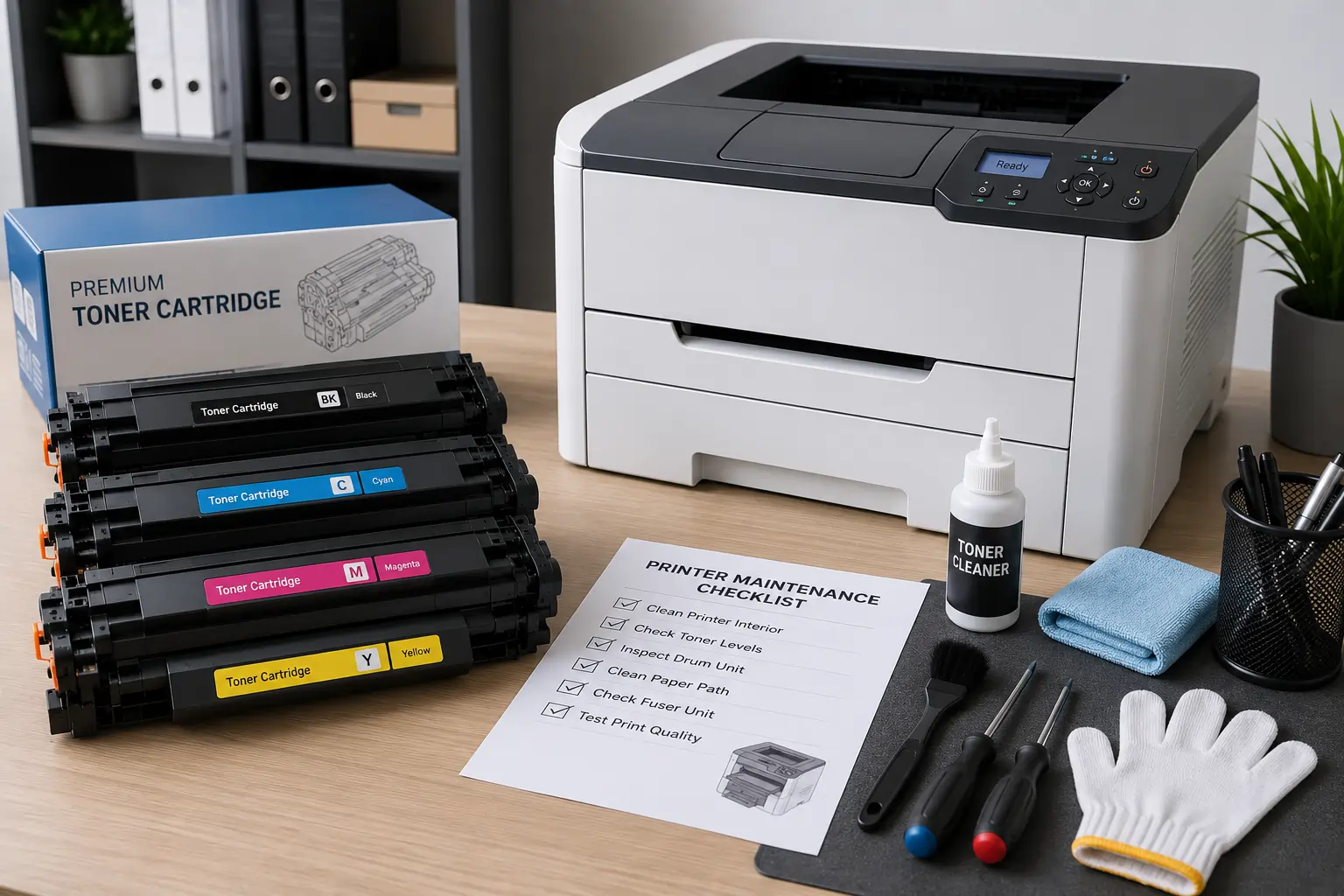
Getting the most from your toner cartridge doesn’t always require buying expensive products.
Practical Ways to Extend Cartridge Life
- Print in draft mode when possible
- Avoid unnecessary color graphics
- Use high-yield cartridges for frequent printing
- Clean printers regularly
- Store toner cartridges properly
- Buy from reliable toner suppliers
Proper toner storage is also important. Heat, humidity, and direct sunlight can affect toner quality over time.
Common Myths About Page Yield
There are several misconceptions about toner cartridge page yield.
“All Cartridges Print the Same Number of Pages”
Not true. Yield varies based on:
- Cartridge size
- Toner quality
- Printer model
- Printing habits
“Compatible Cartridges Always Have Lower Yield”
Low-quality compatible cartridges may underperform, but reputable compatible cartridges can provide competitive page yields at lower prices.
“Higher Yield Means Lower Print Quality”
High-yield cartridges simply contain more toner. Print quality depends more on cartridge manufacturing quality and printer compatibility.
Choosing the Right Toner Cartridge for Your Needs
The best toner cartridge depends on your printing habits.
For light printing:
- Standard yield may be sufficient
heavy office printing:
- High-yield cartridges often provide better value
For budget-conscious buyers:
- Quality compatible cartridges can reduce costs significantly
Using trusted suppliers like Toner Connect makes it easier to compare page yields and find cartridges that fit both your printer and your budget.
Final Thoughts
Understanding page yield in toner cartridges helps you make smarter purchasing decisions and avoid overspending on printing supplies. Instead of focusing only on cartridge price, evaluating page yield and cost per page gives you a clearer picture of long-term value.
Whether you choose OEM or compatible toner cartridges, selecting the right yield for your printing needs can improve efficiency, reduce downtime, and lower overall printing costs.
For both home users and businesses, understanding page yield is one of the simplest ways to optimize printer performance while staying within budget.