
How Long Do Toner Cartridges Last Once Opened?
Toner cartridges can remain usable for a long time after opening because toner is a dry powder rather than liquid ink. However, there is no universal lifespan once opened. Light, humidity, temperature, storage conditions, cartridge design, and usage all affect longevity, so manufacturer-specific storage guidance matters most.

How Long Do Toner Cartridges Last Once Opened?
There is no single expiration countdown for every opened toner cartridge; proper storage and the cartridge’s components determine how long it remains reliable.
Unlike ink, toner does not depend on liquid remaining wet. That gives toner cartridges an important advantage when printers are used infrequently.
Still, opening the package exposes the cartridge and its internal components to environmental conditions. HP specifically warns that opening LaserJet toner packaging before the cartridge is needed can dramatically shorten its useful shelf and operating life, with light being particularly harmful to the photosensitive drum.
A practical way to think about toner lifespan is:
- Factory sealed: Best protected for long-term storage.
- Opened but properly protected: May remain usable for an extended period.
- Installed in a printer: Longevity depends heavily on usage and environment.
- Opened and poorly stored: Greater risk of degraded components and print-quality problems.
For an exact storage period, always check the instructions for your cartridge model.
What Is an Opened Toner Cartridge?
An opened toner cartridge is one whose original protective packaging has been opened, whether or not the cartridge has actually been installed.
This distinction matters.
An opened toner cartridge isn’t necessarily an empty or used cartridge. Someone might open the package and discover it is the wrong model without ever installing it.
Three terms are worth knowing:
Factory-sealed toner: The cartridge remains inside its original unopened manufacturer packaging.
Opened toner: The protective packaging or original seal has been opened.
Used toner: The cartridge has been installed and used for printing.
From a storage perspective, factory-sealed cartridges have the strongest protection against light, dust, moisture, and other environmental conditions.
Do Toner Cartridges Expire After Opening?
Toner doesn’t suddenly expire after opening, but cartridge performance can deteriorate over time.
The toner powder itself doesn’t dry out like liquid printer ink. However, a toner cartridge contains more than powder.
Depending on the model, it may include or interact with:
- Photosensitive components
- Seals
- Gears
- Rollers
- Electronic components
- Plastic housing
HP notes that LaserJet cartridges contain components sensitive to light, temperature, and humidity.
This is why an old cartridge can still contain plenty of toner but produce disappointing results.
How Long Do Unopened Toner Cartridges Last?
Properly stored unopened toner can remain usable for years, although recommended storage periods vary by manufacturer and model.
There isn’t a universal shelf-life number that applies to every toner brand.
For one useful manufacturer example, current HP storage documentation specifies a 2.5-year cartridge storage period, calculated as storage time plus use time, for the cartridges covered by that guidance. HP bases the period on the date code found on the cartridge.
Toner Connect‘s March 10, 2026 toner-lifespan guide gives a broader general estimate of approximately 24–36 months when toner is properly stored, while emphasizing that actual lifespan depends on whether the cartridge has been opened, storage conditions, use frequency, and cartridge design.
These are guidelines, not a guarantee that every cartridge will stop working at a particular date.
Why Does Opening a Toner Cartridge Affect Its Lifespan?
Opening removes some of the cartridge’s protection against environmental exposure.
The original package does more than make a cartridge look new on a store shelf.
It helps protect sensitive components from:
- Direct light
- Dust
- Excess humidity
- Temperature fluctuations
- Physical damage
HP specifically recommends leaving new LaserJet cartridges inside their original box and packaging until they’re needed. The company warns that light can degrade a photosensitive drum inside applicable cartridges.
So, if you aren’t ready to use a toner cartridge, don’t open it just to inspect it.
What Factors Make Toner Cartridges Last Longer or Shorter?
Storage environment, light exposure, printing volume, cartridge design, and handling all influence toner longevity.
Temperature and Humidity
Extreme temperature or humidity can affect cartridge performance.
Store toner cartridges in a controlled indoor environment that meets the specifications provided for your printer.
HP‘s guidance recommends keeping cartridges in the same type of controlled environment in which the printer operates. Exact environmental specifications can vary between printer and cartridge models.
Avoid areas such as:
- Hot vehicles
- Damp basements
- Outdoor storage
- Unconditioned sheds
- Areas near heating equipment
Light Exposure
Extended exposure to light can damage photosensitive cartridge components.
This is particularly important if you remove a toner cartridge from the printer.
HP recommends storing a removed cartridge inside its original protective packaging. When that packaging isn’t available, HP advises covering the cartridge appropriately and keeping it in a dark area.
Printing Frequency
How quickly you consume toner depends primarily on how much and what you print.
A cartridge used by a busy office could be consumed quickly, while the same cartridge in a home printer might remain installed much longer.
Page yield also depends on factors such as:
- Page coverage
- Graphics
- Print density
- Color usage
- Printer settings
- Cartridge capacity
Shelf life and page yield are therefore different measurements.
Does Toner Dry Out Like Ink?
No. Toner is a dry powder, so it doesn’t experience the same drying problem as liquid ink.
This is one of the biggest differences between laser and inkjet printers.
HP’s current printing guidance explains that toner uses dry powder and therefore does not dry out, whereas installed ink can begin evaporating and drying when left unused.
That doesn’t make toner indestructible. Improper storage can still affect the cartridge and its components.
If you print only occasionally, however, toner avoids one of the classic problems associated with long-idle inkjet printers: dried liquid ink.
How Should You Store an Opened Toner Cartridge?
Protect it from light, dust, moisture, and temperature extremes, and follow the storage orientation specified for your exact model.
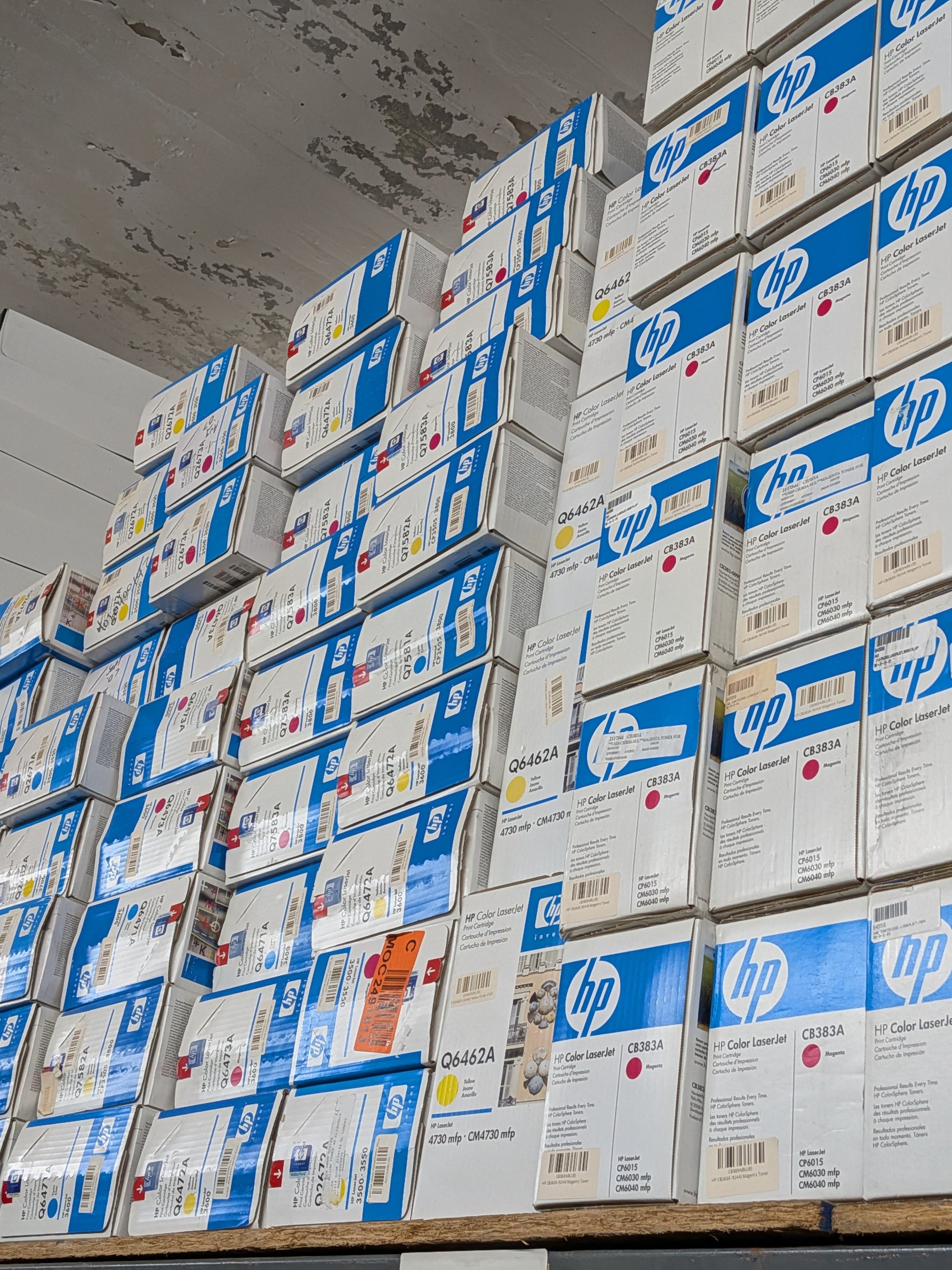
If you’ve opened a toner cartridge but need to store it outside the printer, manufacturer instructions should come first.
For cartridges covered by HP’s LaserJet storage guidance, HP recommends:
- Using the original protective bag or clamshell when available.
- Keeping the cartridge away from light.
- Using a dark cabinet if the original packaging is unavailable.
- Storing it in the orientation specified for the cartridge.
- Maintaining controlled temperature and humidity.
Important: Storage-orientation instructions can differ among products. Don’t assume that advice for one cartridge automatically applies to another.
How Can You Tell If an Opened Toner Cartridge Is Still Good?
Inspect the cartridge and test its print quality rather than judging it by age alone.
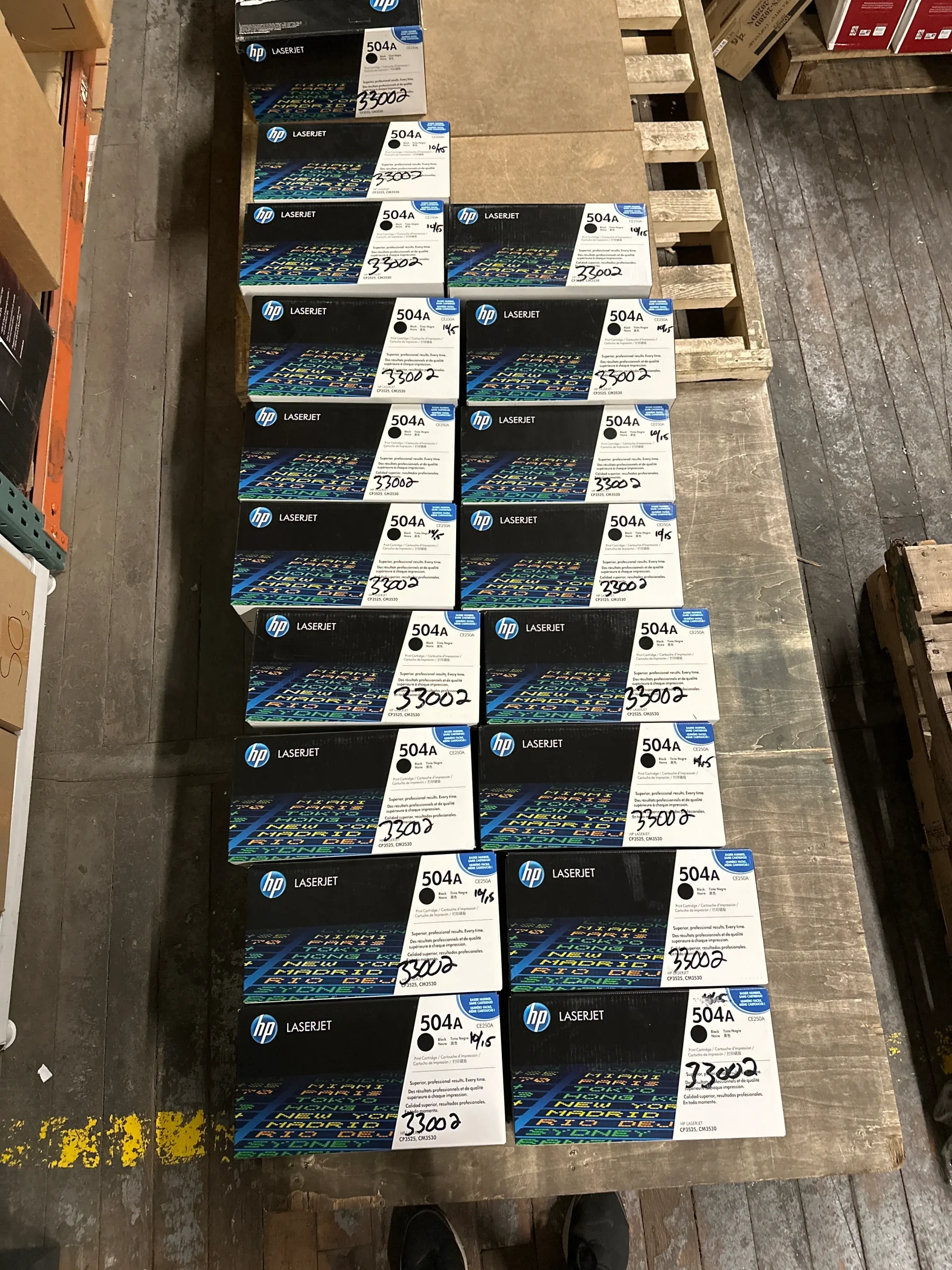
An older cartridge may still work normally if it has been handled and stored correctly.
Look for these warning signs:
- Toner leaking from the cartridge
- Damaged housing
- Broken components
- Unusual noises after installation
- Persistent faded printing
- Streaks or repeated defects
- Uneven toner coverage
- Printer cartridge errors
Before blaming the cartridge, remember that print-quality problems can also originate elsewhere in the printer.
If you’re uncertain, consult the troubleshooting documentation for your exact printer model.
Should You Shake an Old Toner Cartridge?
Follow your manufacturer’s instructions because handling procedures differ among cartridge designs.
Some manufacturers instruct users to gently redistribute toner during cartridge installation or when toner becomes low. That doesn’t mean aggressively shaking every old cartridge is appropriate.
Avoid:
- Vigorous shaking
- Opening the cartridge housing
- Touching exposed photosensitive surfaces
- Attempting to pour toner
- Using compressed air on toner powder
Use the installation and maintenance instructions for your particular printer.
Opened vs. Unopened Toner Cartridges
Unopened toner is better protected for storage, while opened toner requires more careful handling.
| Condition | Storage Protection | Main Concern |
|---|---|---|
| Factory sealed | Highest | Age and storage environment |
| Opened, unused | Reduced | Light, humidity and handling |
| Installed | Printer-dependent | Usage and environment |
| Removed after use | Reduced | Light, dust and physical damage |
The key takeaway is simple: don’t open toner until you need it.
Keeping the original packaging intact provides the cartridge with its intended storage protection.
Useful Toner Cartridge Lifespan Facts
Manufacturer guidance shows that toner can store for years, but opening and environmental exposure can shorten its useful life.
Here are several dated and sourced facts:
- In its current storage guidance, HP says opening LaserJet toner packaging before use can dramatically shorten useful shelf and operating life.
- HP documentation available in 2026 specifies a 2.5-year storage-plus-use period for the toner cartridges covered by that particular guidance.
- Toner Connect‘s March 2026 guide gives a general properly stored toner lifespan of approximately 24–36 months, while noting that conditions and cartridge design matter.
- EPA’s current waste hierarchy prioritizes source reduction and reuse over recycling where appropriate. (US EPA)
These figures shouldn’t be treated as a universal expiration date. Your cartridge manufacturer’s model-specific guidance remains the best source.
Can You Sell an Opened Toner Cartridge?
Opened cartridges generally have less resale potential than factory-sealed OEM toner, and buyer policies vary.
If you discover toner you no longer need, check its condition before deciding what to do with it.
For factory-sealed OEM supplies, Toner Connect may provide a resale option depending on current eligibility and demand.
Useful Toner Connect resources include:
- Toner Connect
- How Long Do Toner Cartridges Last?
- Is Your Toner Cartridge Expired?
- Found an Old Toner Cartridge?
Toner Connect’s July 2026 expiration guide notes that toner doesn’t dry out like ink, although age, storage, and component condition can still affect print performance.
What Should You Do With Toner You Can No Longer Use?
Check reuse or resale options first when appropriate, then use a legitimate recycling program if the cartridge is no longer usable.
Don’t automatically put an unwanted cartridge into regular trash.
The EPA’s current materials-management hierarchy ranks strategies in this order:
- Source reduction and reuse
- Recycling and composting
- Energy recovery
- Treatment and disposal
For cartridges with no practical reuse or resale option, check the printer manufacturer’s recycling program or an appropriate local recycling service.
Frequently Asked Questions About Toner Cartridges
Toner doesn’t dry out like ink, but opened cartridges still need proper storage to protect sensitive components.
How long can an opened toner cartridge sit unused?
There is no universal number because storage conditions and cartridge designs vary.
Keep it protected according to the manufacturer’s instructions and inspect its condition before reinstalling it.
Does opening toner start an expiration timer?
No fixed expiration timer applies to every cartridge.
Opening does, however, reduce protection from light, humidity, dust, and other environmental factors. HP specifically warns that premature opening can shorten cartridge life.
Can toner go bad if you don’t use the printer?
Toner won’t dry like liquid ink, but cartridge components can still deteriorate.
Proper storage remains important even if plenty of toner powder remains.
Is a five-year-old toner cartridge still usable?
Possibly, but age alone can’t confirm whether it will perform reliably.
Check its storage history, physical condition, manufacturer guidance, and print performance. A cartridge well beyond the manufacturer’s recommended storage period may be less reliable.
Should toner cartridges stay in the printer after opening?
Generally, follow the printer manufacturer’s normal-use instructions rather than repeatedly removing the cartridge.
Repeated handling can expose sensitive components unnecessarily.
Conclusion: Making Opened Toner Cartridges Last
Toner cartridges can remain usable after opening, but protecting them from light, humidity, temperature extremes, and improper handling is essential.
There isn’t one universal answer to how long toner cartridges last once opened. Toner powder won’t dry out like ink, but the complete cartridge contains components that can deteriorate when poorly stored.
Keep cartridges sealed until they’re needed, follow the manufacturer’s storage requirements, and judge older opened cartridges by their condition and print performance, not age alone. If you have unopened OEM toner you no longer need, Toner Connect can help you explore whether it has resale value.